FALL · SEPTEMBER 10, 2026 · WEEK 36
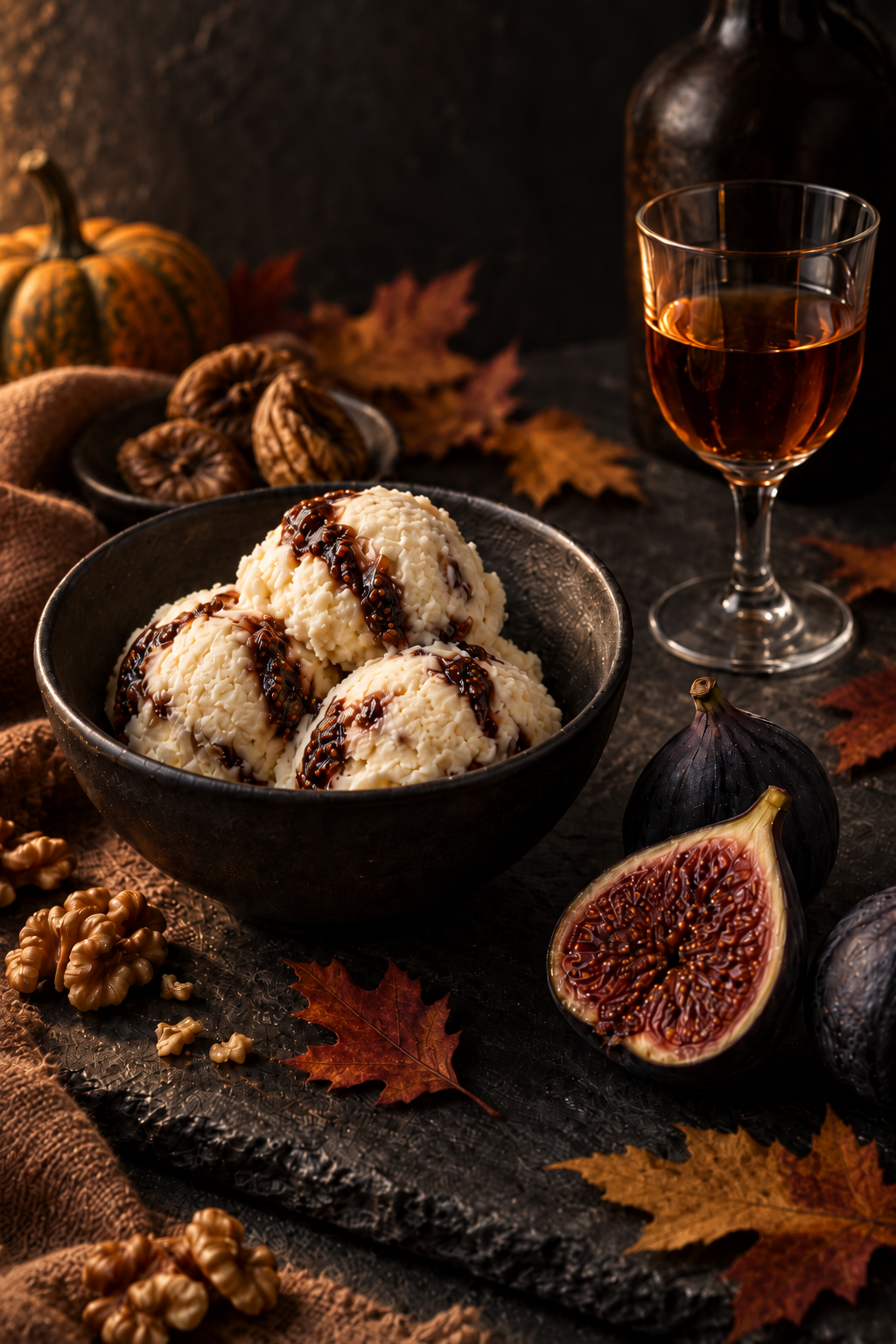
Tawny port and mascarpone in a dense, pale base, with a dark fig swirl running through it.
Tawny port spends years in a barrel losing water to evaporation and picking up walnut, caramel, and dried fruit on the way out. It is a wine rather than a spirit, which makes it the weakest alcohol carrier we have ever built a scoop around, and that turned out to be the whole design problem. Landing the freeze takes 231 grams of it in the standard batch, and port is mostly water, so the rest of the base had to be rebuilt around the dilution. Mascarpone does the rebuilding. At fifty percent fat it puts back the richness the port strips out, and it carries a faint lactic tang that sits well against the oxidative sweetness. The fig goes in as a swirl rather than mixed through, so you get ribbons of concentrated fruit against a pale dense base instead of one uniform flavor all the way down. How ethanol moves the freezing point is laid out in our complete guide to alcohol in ice cream, and this dose sits toward the upper end of what we normally run, which you can see on our alcohol freezing point chart.
Why Port Works in Ice Cream
Port is a fortified wine, not a distilled spirit, and that distinction drives every decision here. At roughly fifteen percent alcohol by weight it carries less than half the freeze suppression of a brandy per gram, so the standard batch takes 231 grams to land where we want it. That is fourteen percent of the mix, and about seventy percent of that is water. Left alone the result would be thin and icy. Mascarpone at fifty percent fat is the counterweight, pushing total fat to 12.4 percent, the richest base we have built. The port also brings its own sugar, roughly 108 grams per litre, and because fermentation was arrested rather than finished, that sugar is inverted rather than sucrose. Inverted sugar depresses the freezing point close to twice as hard per gram, which is why the added granulated sugar sits higher here than it first appears it should. The fig spread goes in as a swirl at the end and stays outside the freeze math entirely.
What You’ll Taste
Caramel and walnut first, the oxidative side of tawny that reads closer to a nut than a grape. The mascarpone sits underneath as a soft lactic weight, nearer to cheesecake than to cream, and it keeps the port from turning syrupy. Fig arrives in ribbons rather than throughout, so a spoonful that catches the swirl tastes concentrated and jammy and the next one does not, which is the entire point of a swirl. There is a faint warmth on the finish from the alcohol with no burn behind it. The texture is dense and heavy, closer to gelato than to a light churned custard, and it stays scoopable straight out of the freezer.
Three Methods, One Recipe
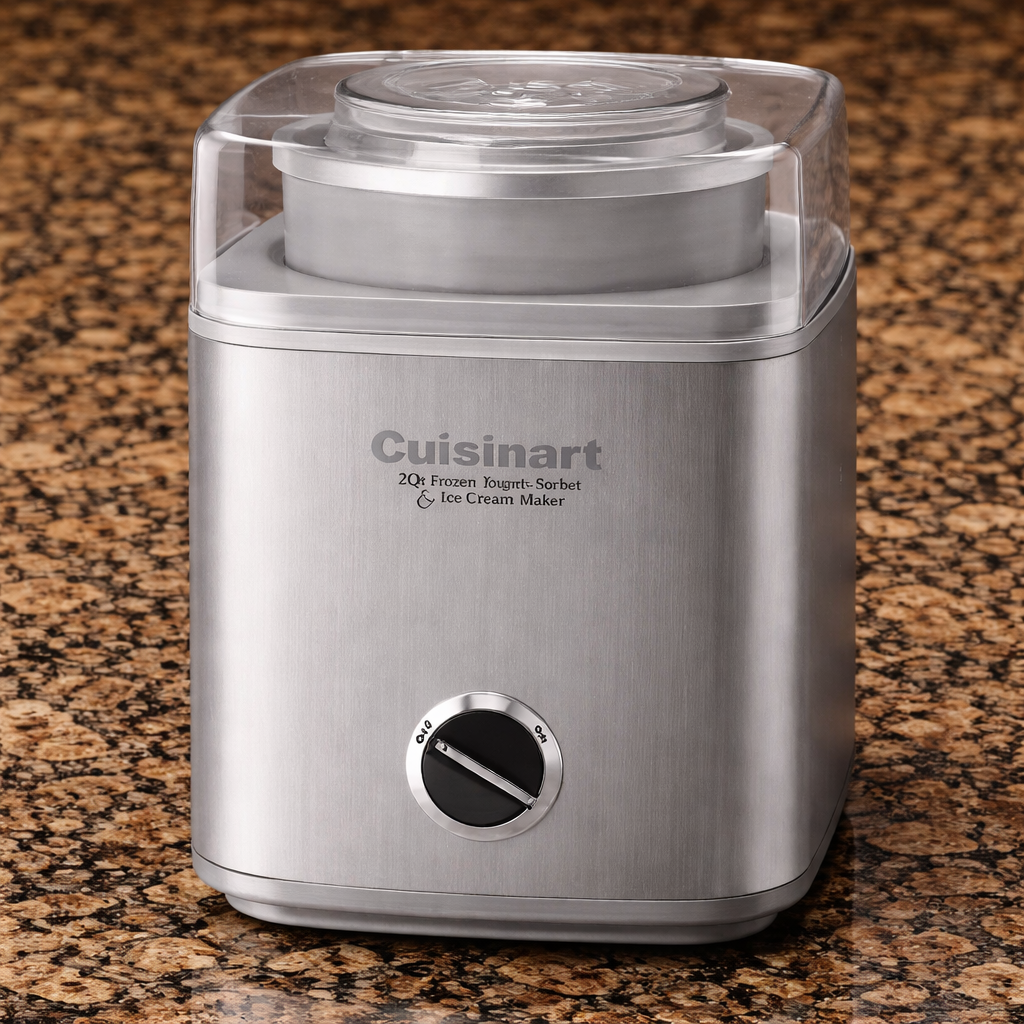
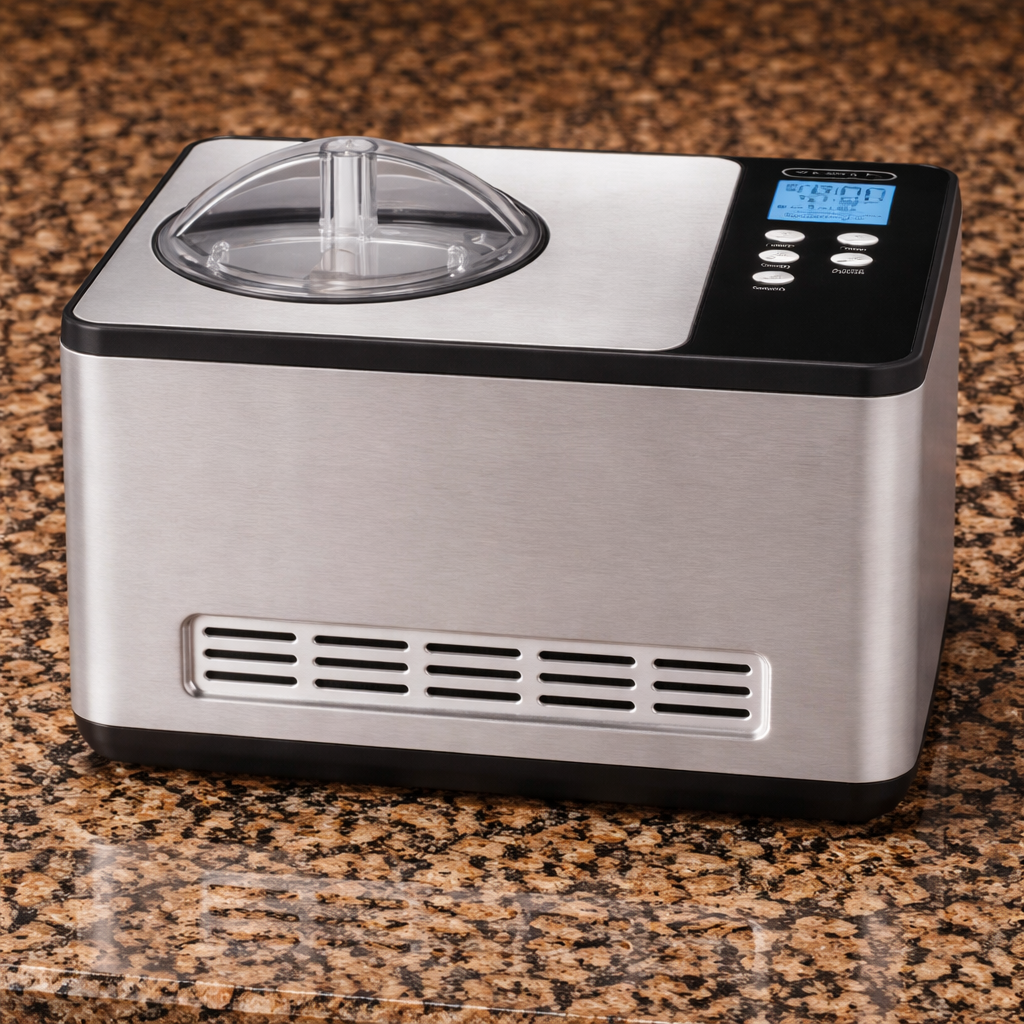
Technique Notes
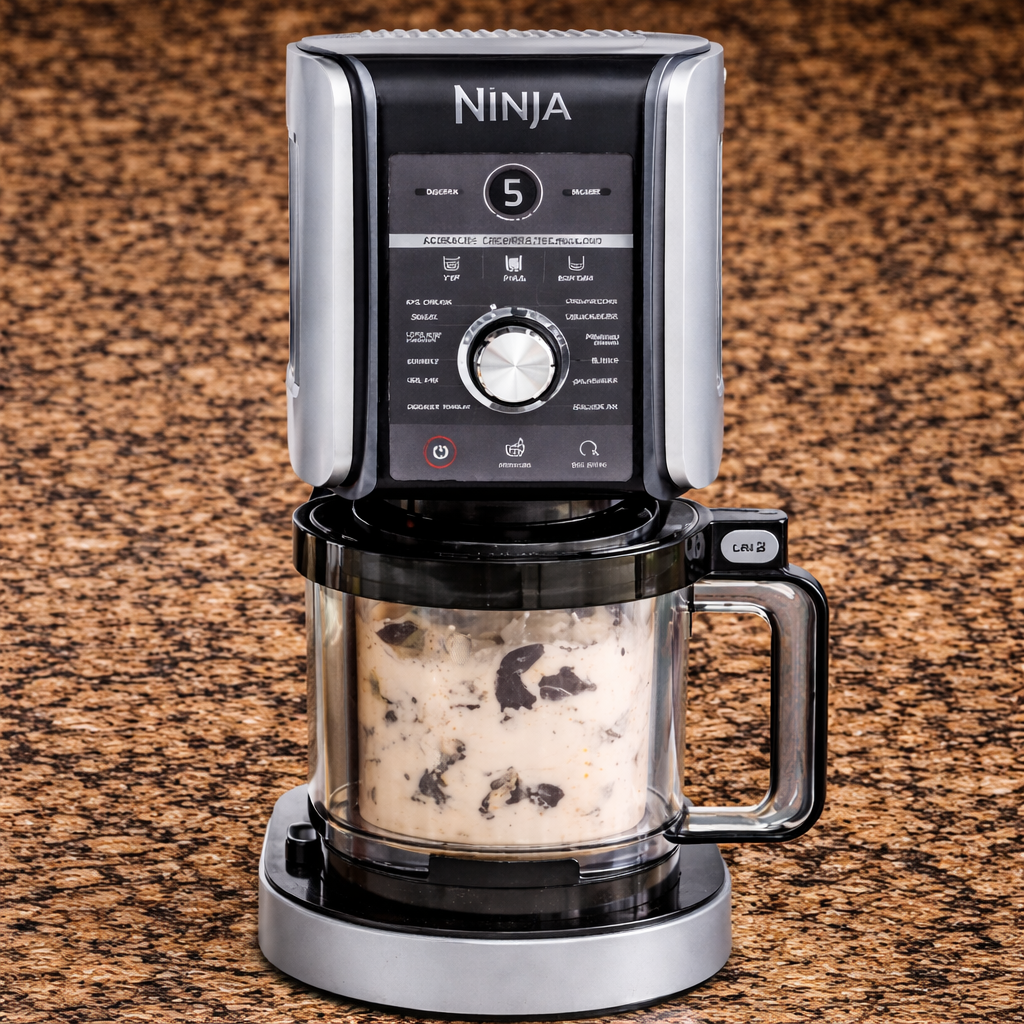
The port is the whole risk here. Chill the base completely, below 40 F, before any port goes near it, and add it in three additions while stirring rather than pouring it in all at once. Two hundred and thirty grams of acidic wine hitting a dairy base can break the emulsion even cold, and it will certainly curdle a warm one. If the mix goes grainy after the first addition, stop and let it come back together before continuing. Temper the mascarpone by whisking it with a little of the warm milk before it joins the rest, because it goes lumpy if it hits cold liquid directly. For the swirl, chill the fig spread and layer it into the container as you transfer the churned ice cream, folding twice at most. Any more than that and you have fig ice cream instead of a fig swirl.
What to Drink With It
A small glass of the same port, served slightly chilled the way the Portuguese drink it. Walnuts on the side if you want to chase the flavor that is already in the scoop. Strong black coffee also works and cuts the richness better than either.
Substitutions
Any ten year tawny at roughly 19 to 20 percent alcohol and 100 to 120 grams per litre of sugar substitutes directly. Ruby port is not a substitute on flavor even though the numbers are close, since ruby is bright and fruity where tawny is nutty and oxidized. A colheita or an older tawny will run sweeter, and the granulated sugar should come down to match. Cream cheese can stand in for mascarpone at a cost, since it is tangier and lower in fat, so the base reads sharper and freezes harder. For the swirl, any thick fig spread or fig jam works, and a good apricot or black cherry preserve gives you a different scoop on the same architecture.
Storage
Airtight container with parchment pressed to the surface. It keeps about a month, and the port integrates over the first two or three days, so day three tastes rounder than day one. The fig swirl stays distinct for roughly two weeks before it starts bleeding into the base. Creami pints are best re-spun fresh before serving after the first week.