SPRING · APRIL 9, 2026 · WEEK 14
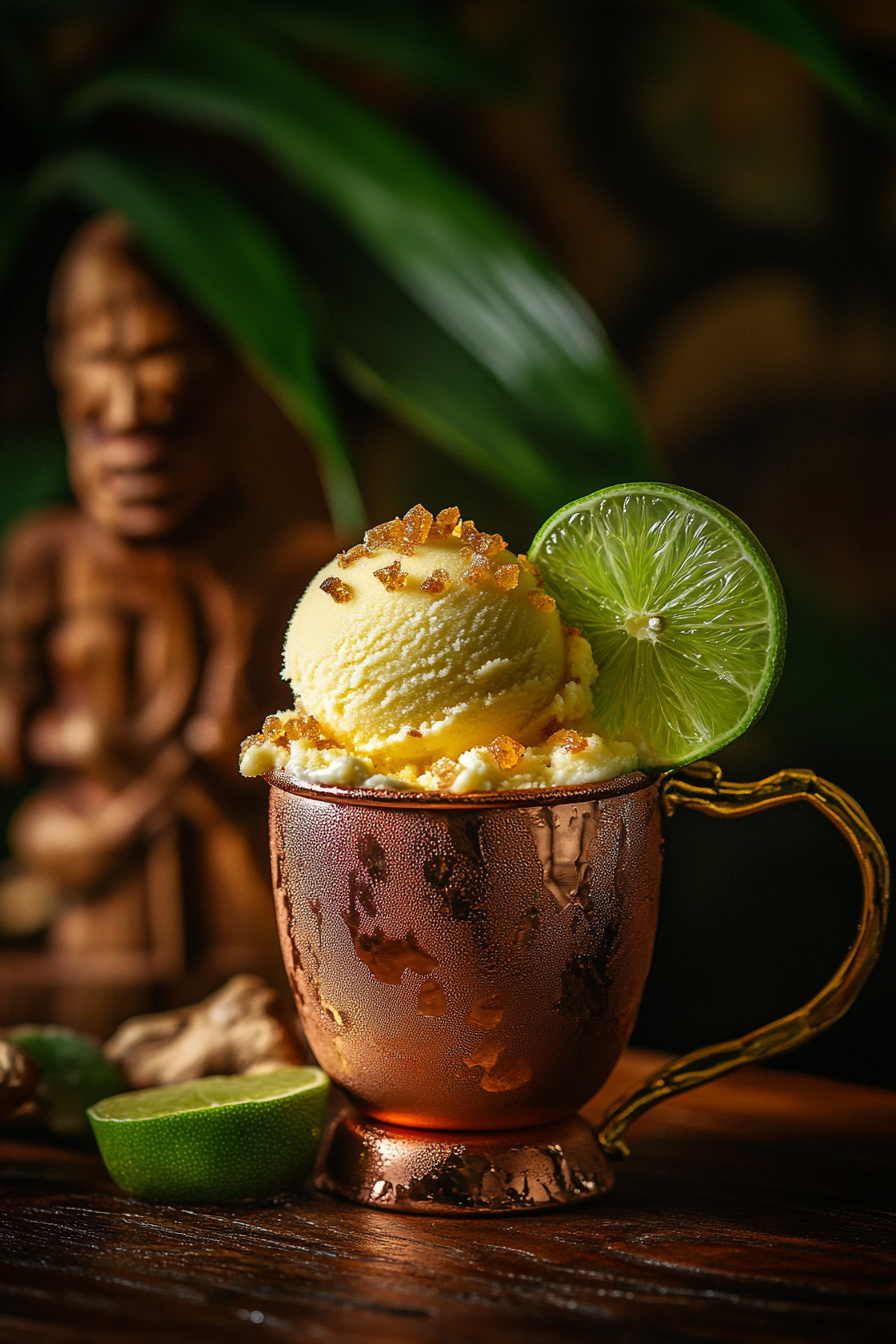
Velvet Falernum, fresh ginger, lime zest — the tiki cocktail, frozen.
Falernum is a Caribbean-spiced liqueur — clove, almond, lime, and ginger — packed into a single bottle at just 22 proof. This recipe takes its tiki-cocktail role and turns it into a frozen custard. Because falernum is so low-alcohol, freezing is never the constraint here; flavor is. Fresh ginger and fresh lime do most of the work, with falernum amplifying what’s already in the dairy rather than overpowering it. Three machine methods, gram-precise, built for people who take spiced rum-adjacent ice cream seriously.
For the science behind how falernum interacts with a frozen custard base, see our complete guide to alcohol in ice cream. For spiced liqueur’s freezing points, see the alcohol freezing point chart.
Why Falernum Works in Ice Cream
Most of these recipes manage alcohol to avoid freezing. This one doesn’t. At 22 proof — roughly 11% ABV — falernum contributes ethanol at well under 1% of base weight across all three methods. The structural question is flavor density, not freeze integrity. Falernum already carries clove, almond, lime, and ginger as background notes; the recipe layers fresh ginger and fresh lime on top to push those flavors from suggestion to the lead. The ginger steep in the Standard and Cuisinart methods extracts both the heat and the volatile oils into the dairy fat, where they hold; the Creami swaps the steep for ginger juice (no pulp, no fibers) because pint-format machines don’t tolerate solids well during the spin. Sugar is calibrated down compared to higher-ABV recipes because falernum itself is sweet — 135 g for Standard, 100 g for Cuisinart, 40 g for Creami. The cream cheese in the Creami pint is structural, not flavor: two tablespoons of cream cheese fill the role egg yolks fill in the cooked custards.
WHAT YOU’LL TASTE: Lime hits first — bright zest oil before the cream registers. Then ginger, warm and slightly peppery, sits in the middle of the palate where you’d expect alcohol heat in a higher-proof recipe. The clove and almond from the falernum read in the background, more felt than tasted, lifting the spice without making the ice cream taste like a holiday cookie. The finish is short and citrus-led. This should taste like the cocktail it’s named after — a frozen tiki drink without the chill of crushed ice diluting the flavor — spicy, citrusy, just sweet enough.
Three Methods, One Recipe
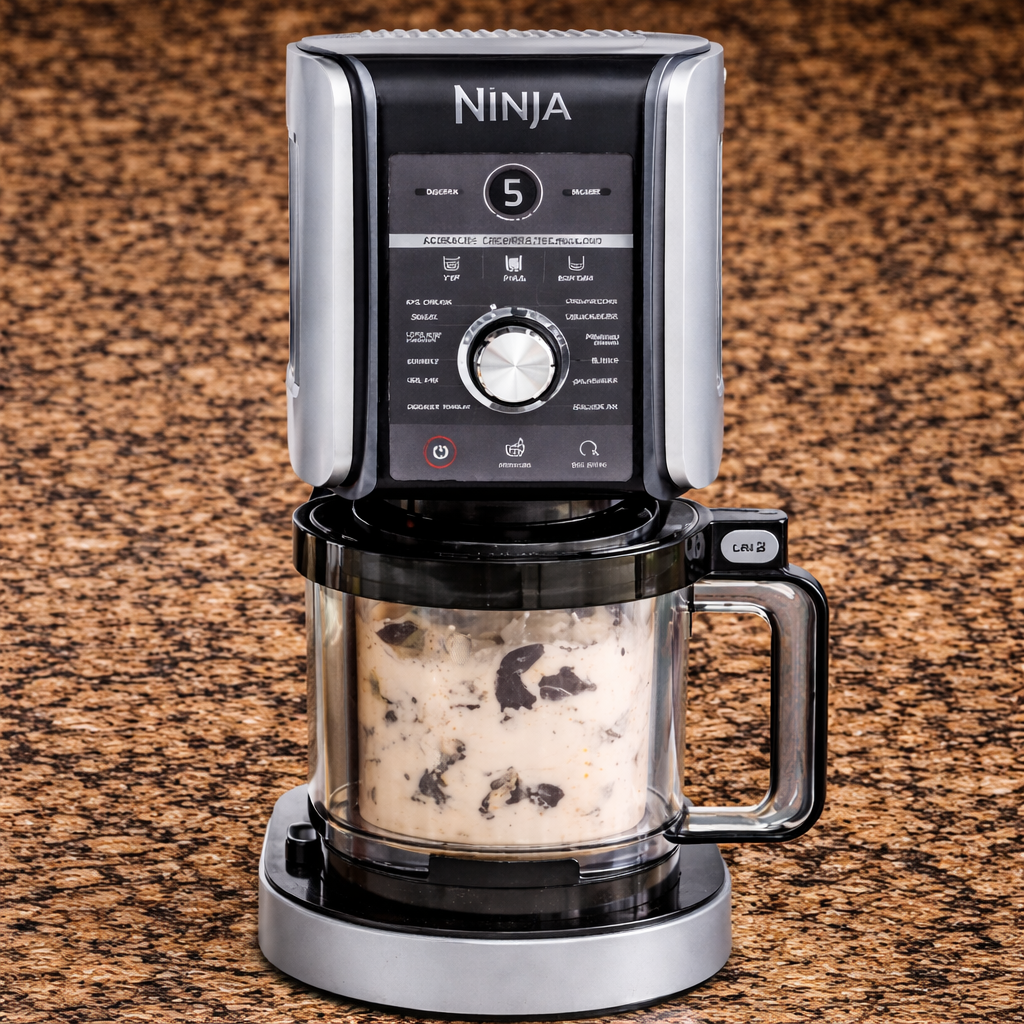
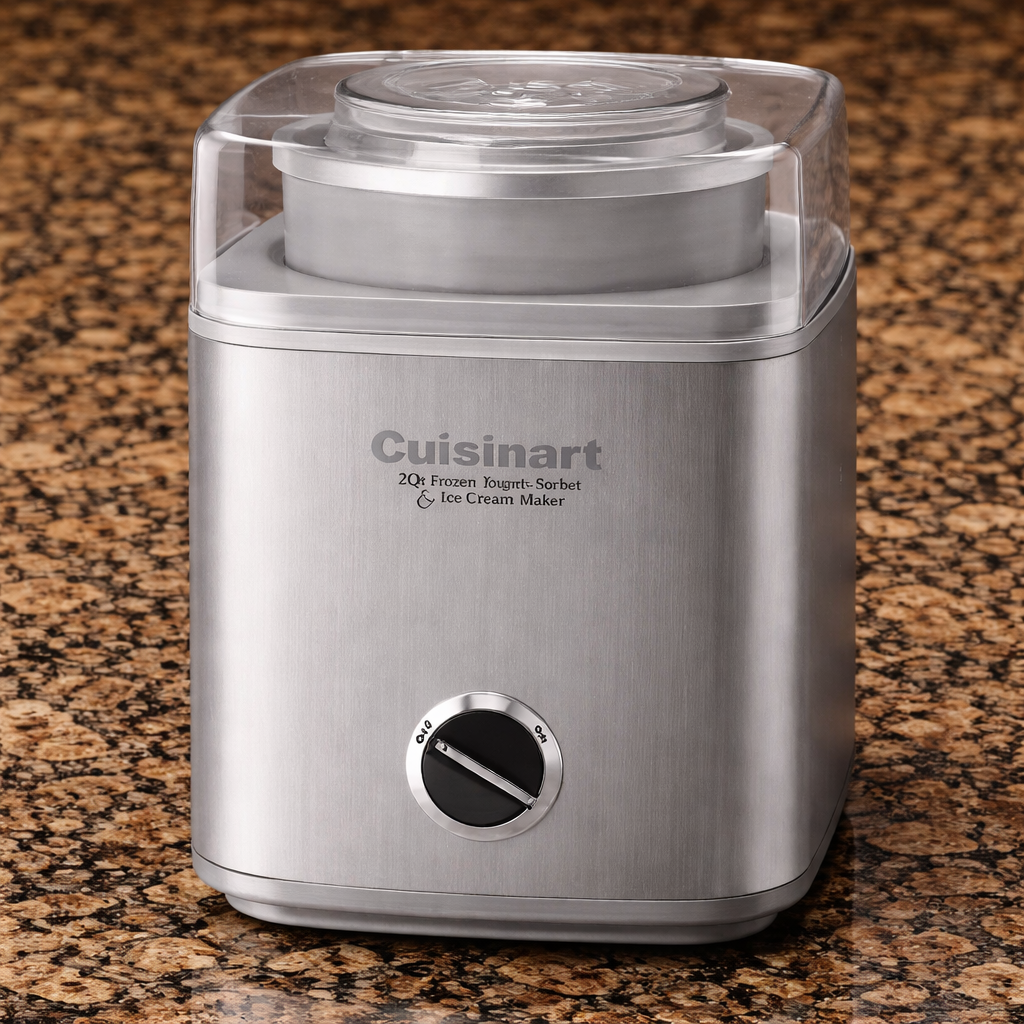
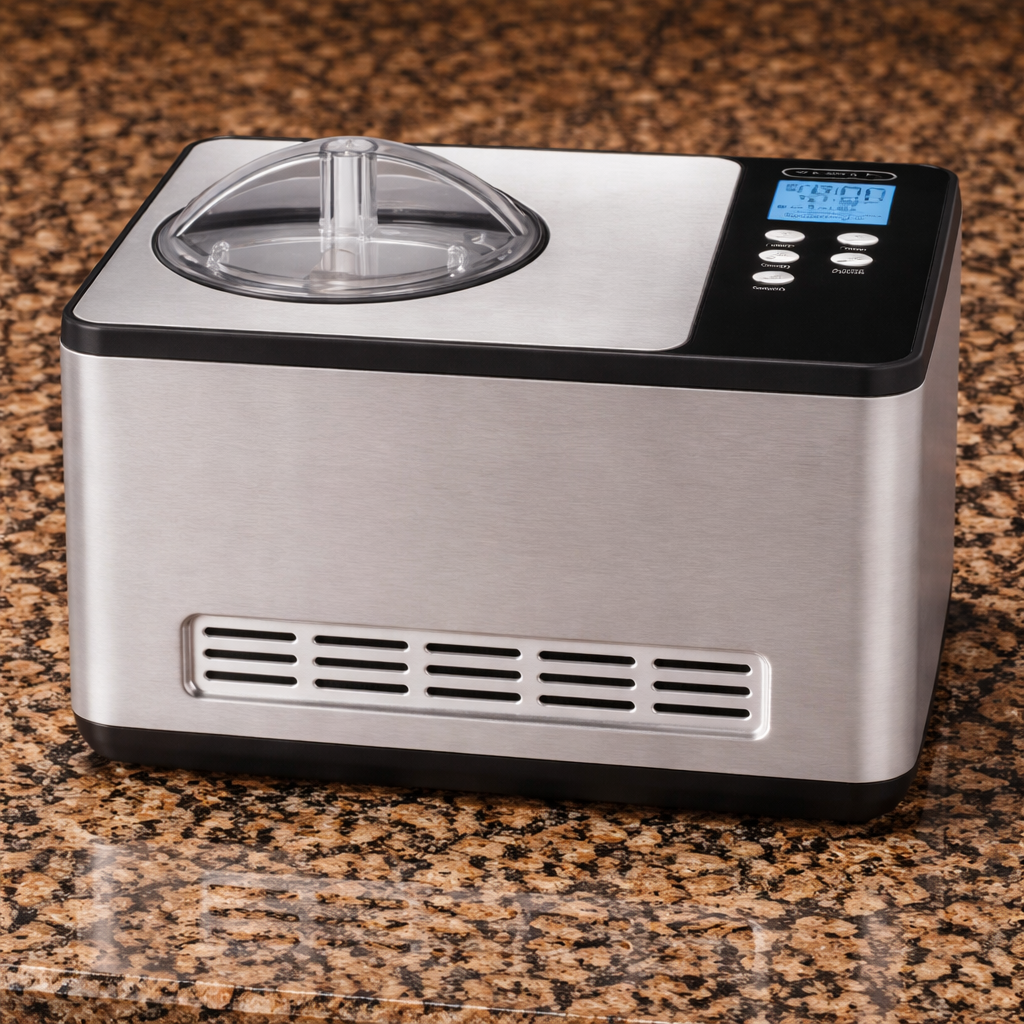
Technique Notes
The ginger steep is the recipe. Don’t cut it short, and don’t skimp on the grating — finely grated, not coarsely chopped, so the cell walls break down and heat transfers to the dairy. 20 minutes covered and off-heat is the minimum. The lime zest steeps with the ginger; pulling them out together at the straining step keeps the citrus oils from cooking off in the custard step. Strain hard, pressing the solids, before tempering the yolks — any ginger fiber that makes it past the strainer turns into stringy bits in the finished ice cream. Falernum and lime juice go in off-heat, after the custard hits 170–175°F, for the same reason every other recipe in this book adds spirits last: heat kills the volatile aromatics. The Creami method is the structural exception. No steep, so the ginger has to be juiced rather than steeped — grate finely, then squeeze the gratings through your fingers over the bowl and discard the dry pulp. The juice carries all the flavor without any fiber to disrupt the pint spin.
What to Drink With It
An actual Mai Tai or Corn ‘n’ Oil — the two cocktails falernum is best known for — lets you taste the same flavor in two formats. A dark aged rum neat (Plantation Original Dark, Smith & Cross) works if you want to pull out the molasses notes that falernum hints at. For non-alcoholic, ginger beer over ice with a heavy lime squeeze tracks the same flavor profile without the spirit. Avoid: anything chocolate (clove + chocolate is a cookie, not a frozen dessert), and anything with strong vanilla competition, like cream sodas or vanilla-forward cocktails — the falernum’s subtler vanilla notes get bulldozed.
Substitutions
Recommended falernum: John D. Taylor’s Velvet Falernum (the standard, widely available; the version this recipe was developed against). Acceptable alternative: The Bitter Truth Golden Falernum (slightly drier and more bitter; reduce sugar by 5–10 g). Homemade falernum is a category unto itself — if you make your own, you already know the proof and sugar content and can adjust accordingly.
If falernum isn’t available: a 50/50 mix of light rum and a strong ginger-clove-lime simple syrup approximates the flavor but loses the almond note. This is the closest workaround, not a substitute.
Do NOT substitute spiced rum or allspice dram. Both are stronger and shift the flavor toward warm holiday spice rather than bright tiki. They’re different recipes, not falernum stand-ins.
For ginger: fresh only. Ground ginger produces a dusty, flat heat that doesn’t blend into dairy. If you must use ground, cut to one-third the volume and add it to the steep, but expect lower quality.
For lime: fresh juice and zest, never bottled. Bottled lime juice is one-dimensional, and the zest oil isn’t replaceable.
Storage
Standard and Cuisinart batches stay at peak for 10–14 days. The low alcohol content and dairy fat together preserve the ginger and lime well; this is one of the more storage-stable recipes in the book. Press plastic wrap directly against the surface before lidding to prevent freezer-burn ice crystals. Refreezing a partially thawed batch works better here than in higher-ABV recipes — with ethanol so low, the second freeze doesn’t produce the grainy texture other recipes warn about — but quality still drops with each thaw cycle. Creami pints are best the day they’re spun. If storing, lid the pint container and re-spin (RE-SPIN cycle) before serving from frozen; that second spin restores texture.