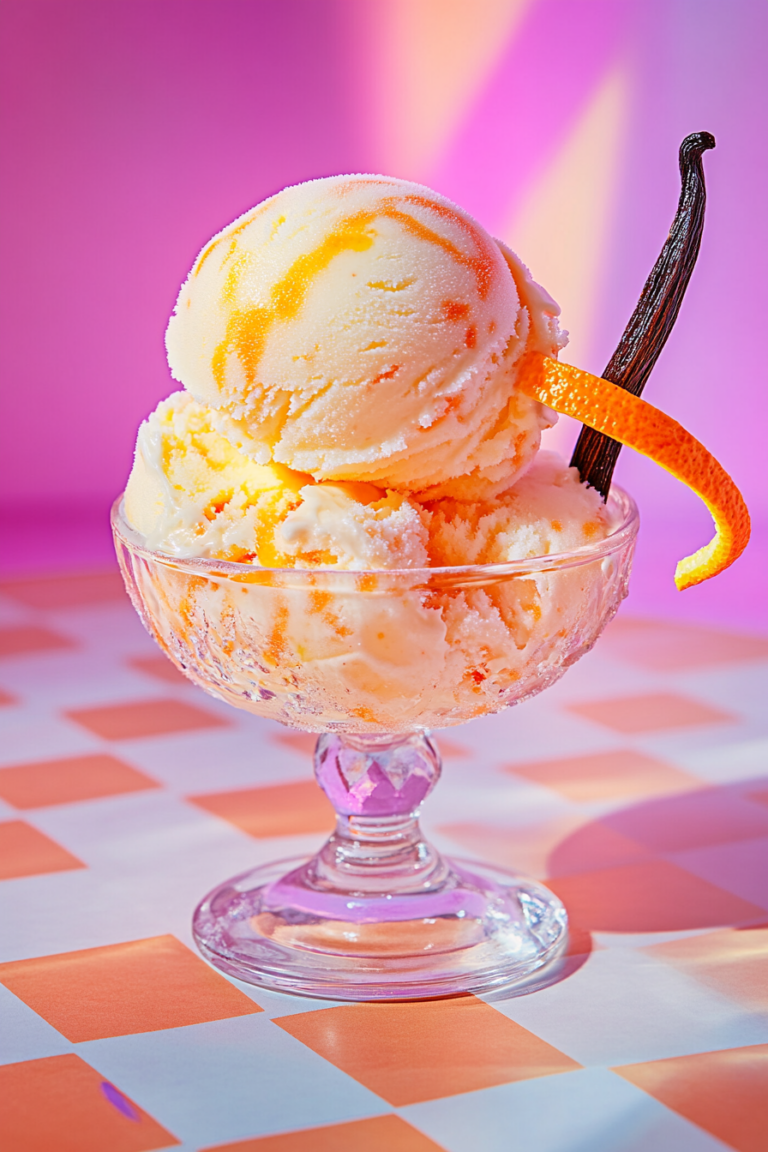
Campari Blood Orange Ice Cream
Winter · December 17, 2026 · Free Starter Guide
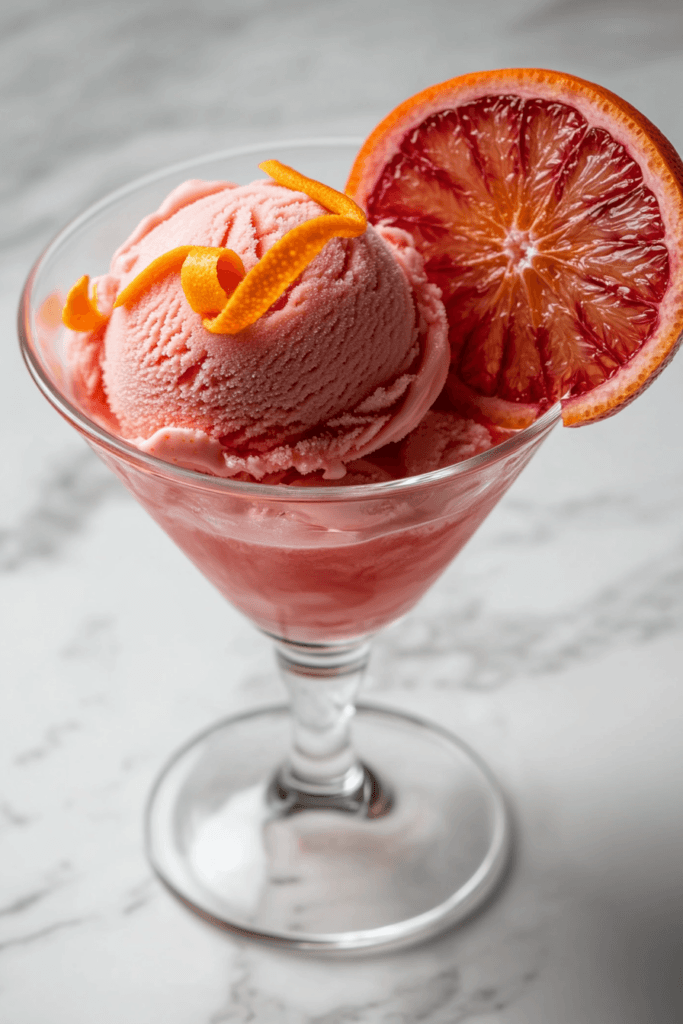
Campari, blood orange juice, and a five-yolk custard — bitter, bright, and unmistakably aperitivo.
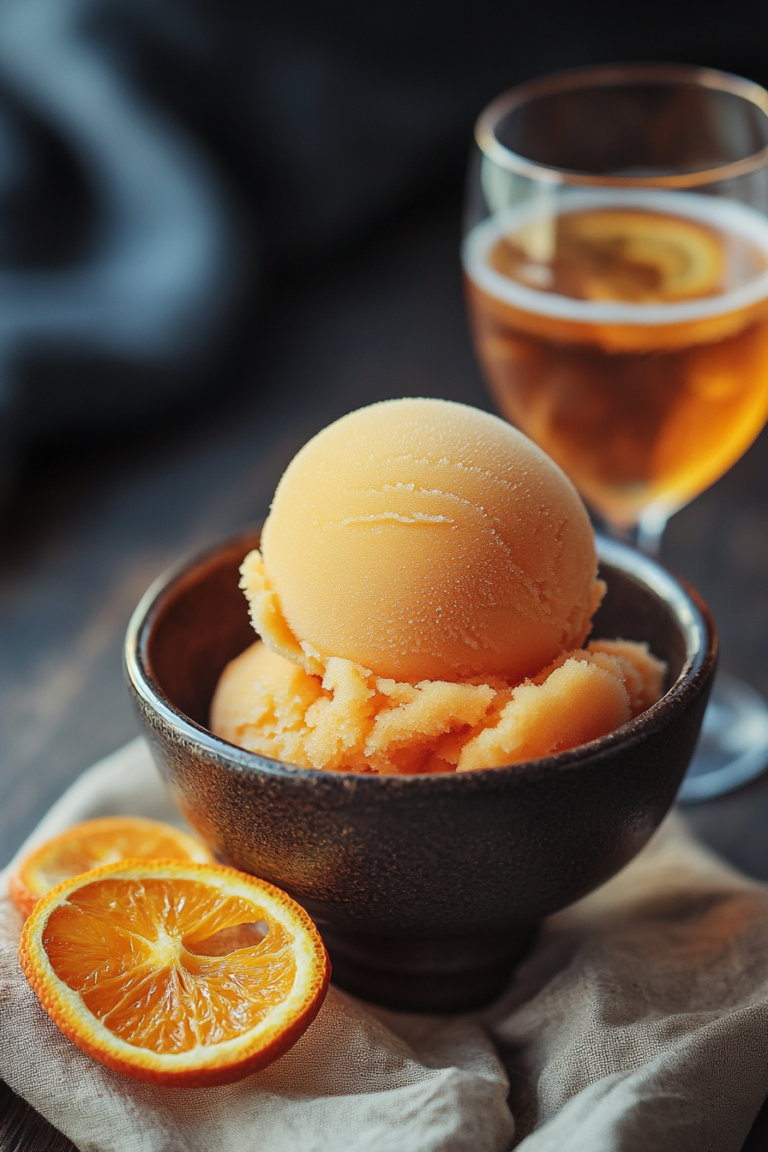
This Campari ice cream recipe brings the bitter orange backbone of a Negroni into a frozen custard. Blood orange juice and zest provide the citrus, Campari provides the bite, and a five-yolk custard base holds it all together. The bitterness is real — this is not a sweet orange creamsicle. It’s written for three machines with gram-precise measurements, and the alcohol is calibrated so the ice cream sets properly in all three.
Why Campari Works in Ice Cream
Campari is 24% ABV — lower than most spirits, which gives you more room in the base before the alcohol starts fighting the freeze. The bitterness is the point. In a custard base with 150 grams of sugar and rich cream, bitterness acts as a counterweight. Without it, blood orange ice cream tastes like a melted popsicle. With it, the flavor stays grown-up and interesting.
Blood oranges are seasonal, peaking in January through March. Their juice is more acidic and less sweet than navel orange juice, and the anthocyanin pigments that give them their color also contribute a faint berry-like undertone. Steeping the zest in the hot cream for 15 minutes extracts the volatile oils without the pith bitterness. The juice goes in off the heat to preserve its brightness.
The Ninja Creami version reduces the cream and milk volumes to accommodate 60 grams of blood orange juice — a higher proportion of liquid compared to the larger batches. Cream cheese replaces the egg yolks, and the Campari stays at two tablespoons. The result is slightly more tart and less creamy than the churned versions, which works in favor of the bitter citrus profile.
For the science behind how Campari interacts with a frozen custard base, see our complete guide to alcohol in ice cream. For Campari’s freezing point, see the alcohol-freezing-point chart.
Three Methods, One Recipe
The standard churn version makes 12 servings with a fully cooked custard. The Cuisinart version scales to 8–10 servings and reduces the blood orange juice to 80 grams to fit the bowl capacity. The Creami version makes one pint with no cooking — whisk, pour, freeze, spin.
Alcohol content across all three versions stays between 4–6% of total base weight. The standard and Cuisinart versions run about 4–5%. The Creami runs slightly higher, at roughly 6%, because the total base volume is smaller, but cream cheese and reduced dairy provide enough structural support for the base to freeze hard.
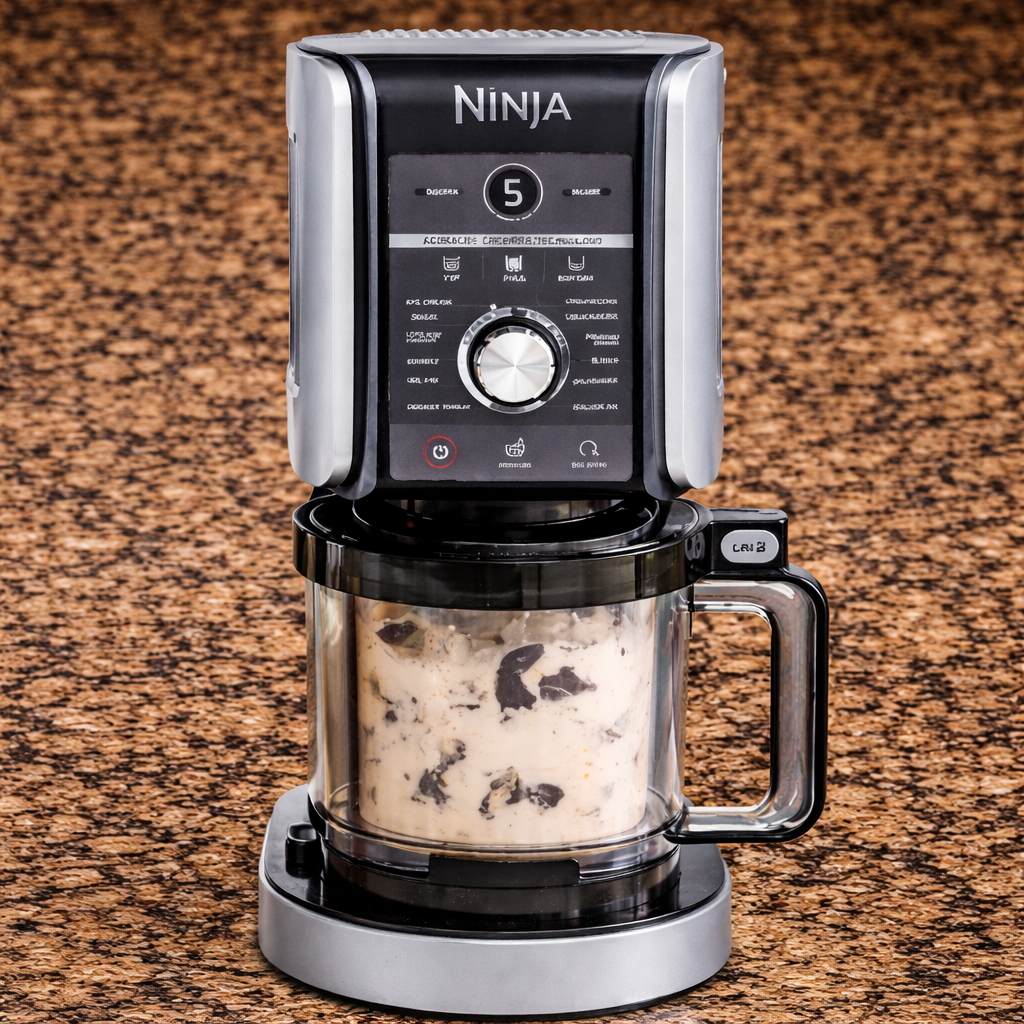 1 pint – 2-3 servings | 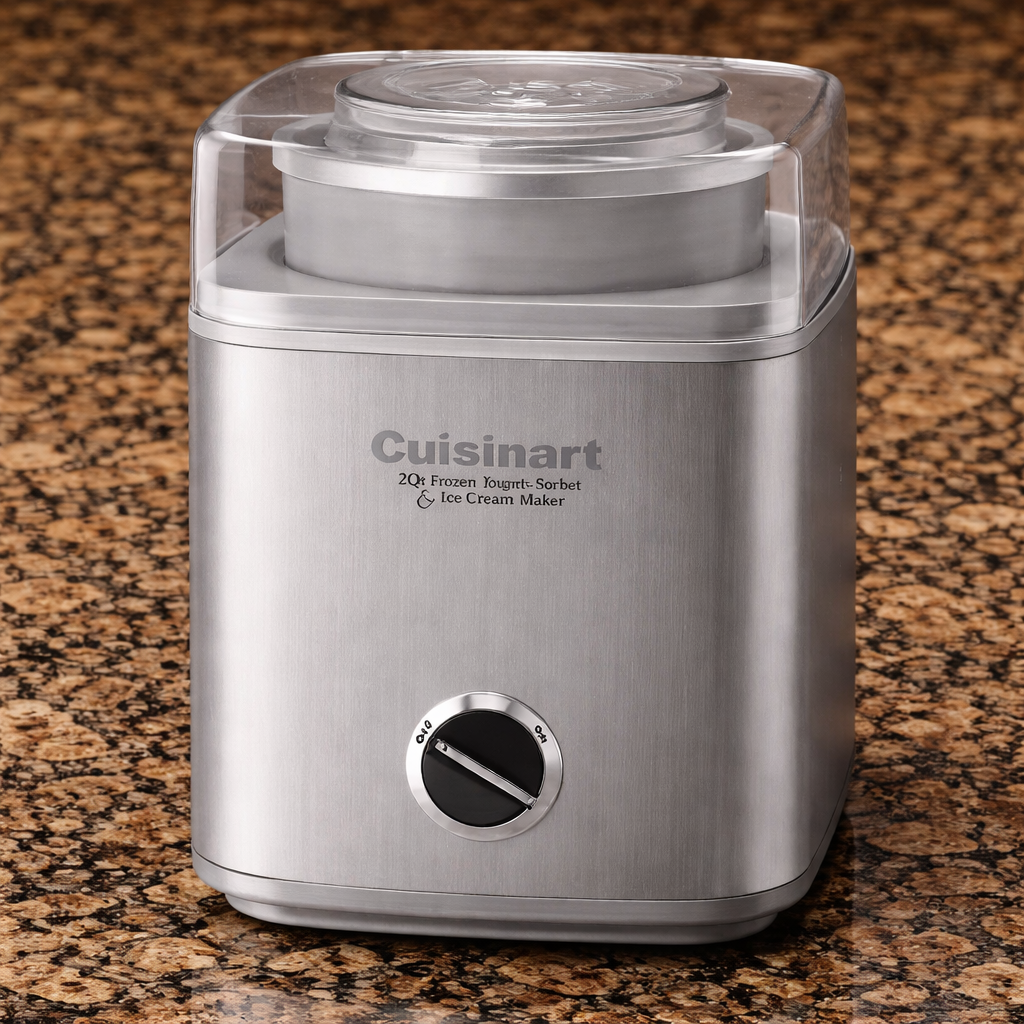 8-10 servings | 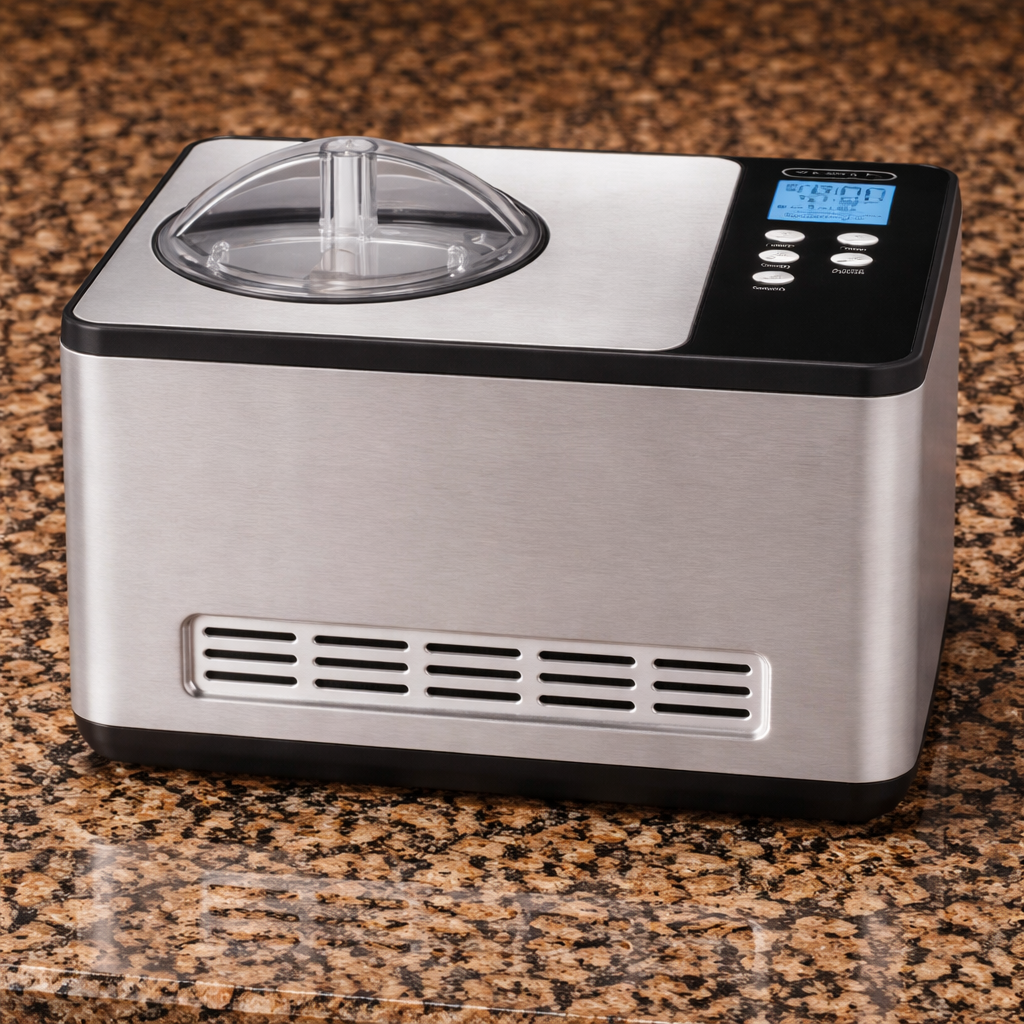 12 servings |
Technique Notes
Strain the base through a fine-mesh sieve and press the zest to extract every drop of orange oil. The zest has done its job in the steep — leaving it in creates bitter flecks in the finished ice cream.
Do not substitute navel oranges. The flavor profile changes completely. If blood oranges are unavailable, Cara Cara oranges are a closer substitute than navels, though you’ll lose the color. Adjust nothing else — the sugar and acid levels are balanced for blood orange’s specific sweetness.
What to Drink With It
A Negroni is the obvious pairing — the ice cream is essentially a frozen riff on the same flavor architecture. If you want contrast instead of reinforcement, try a dry Prosecco. The bubbles and acidity cut through the cream while the bitterness in the ice cream holds its ground. Avoid sweet wines or cream-based cocktails; they flatten the Campari’s edge.
Substitutions
Campari: Aperol is not a substitute — it is half the ABV and significantly sweeter, producing a completely different ice cream. Contratto Bitter or Select Aperitivo are the closest alternatives. For more, see our guide to the best alcohol for ice cream.
Blood orange: There is no real substitute. Cara Cara oranges are the closest — they have pink flesh and more complexity than navels. In the off-season, frozen blood orange juice works.
Dairy-free: This recipe does not adapt well to dairy-free formats. Campari’s bitterness requires the buffering effect of cream fat and egg yolk to remain palatable.
Storage
Keeps for 2 weeks. The Campari’s bittering compounds are stable and do not degrade during storage. Temper at room temperature for 5–8 minutes before scooping.
This recipe appears in our Ninja Creami boozy recipes collection, which includes Creami-specific settings and troubleshooting.
Spirited Licks is a property of GOIAST8 LLC. All recipes are formulated in grams and tested across Ninja Creami, compressor, and traditional churn machines.