Japanese Whisky Matcha Ice Cream
Spring · February 26, 2027 · WEEK 8
Free Starter Guide
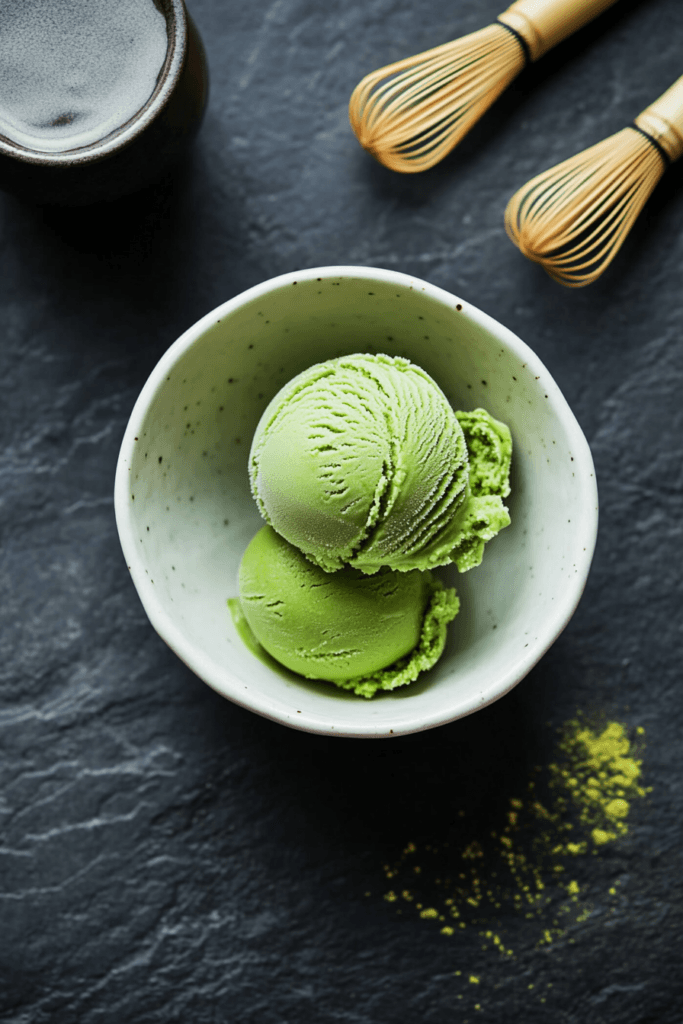
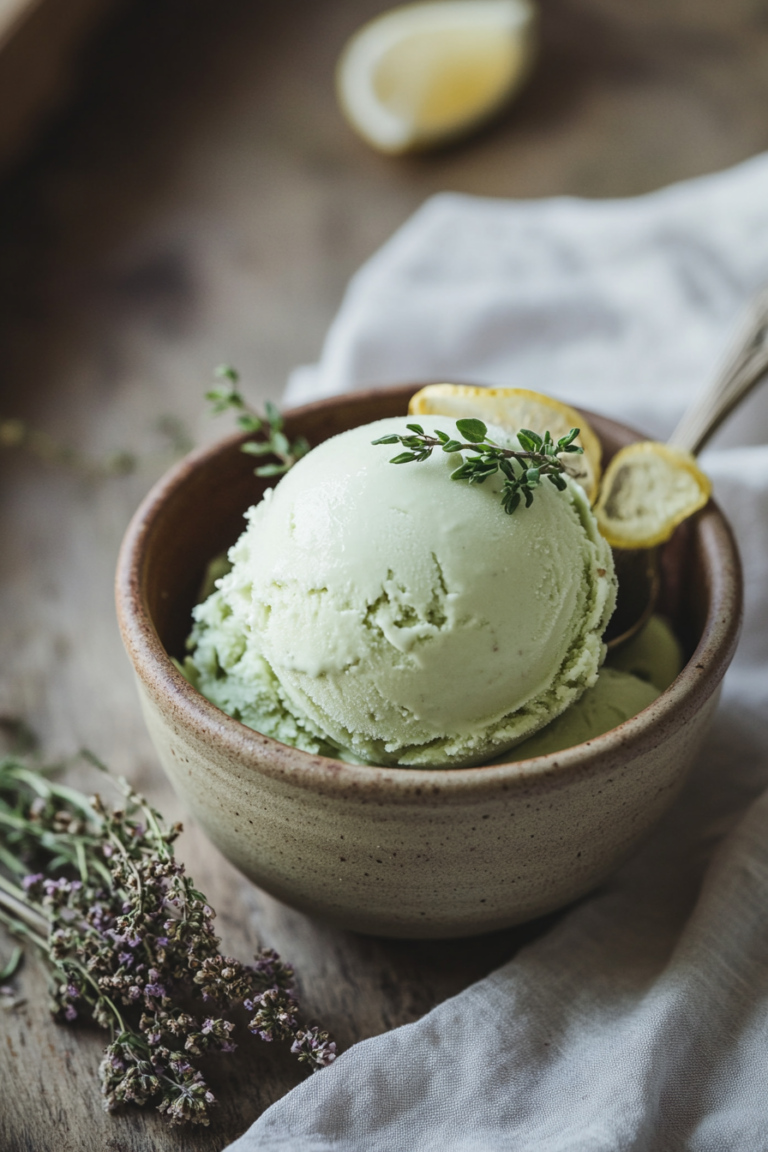
Ceremonial-grade matcha and Japanese whisky in a clean custard base — earthy, warm, and vivid green.
This matcha whisky ice cream recipe pairs ceremonial-grade matcha with Japanese whisky in a rich custard base. The matcha provides earthy depth and a vivid green color. The whisky adds warm oak and a hint of smoke, rounding out the tea’s natural bitterness. It’s written for three machines — standard churn, Cuisinart frozen bowl, and Ninja Creami — with gram-precise measurements and a specific technique for handling matcha to prevent clumping.
The matcha must be sifted and whisked into a paste before it touches the base. Matcha powder clumps aggressively in cold or fatty liquids, and those clumps will survive the churn — they become gritty green specks in the finished ice cream. The paste step takes 60 seconds and is not optional.
Use ceremonial-grade matcha only. Culinary-grade matcha turns bitter and chalky when frozen. The cold amplifies the astringent tannins that ceremonial-grade processing removes. This is one of the few ingredients where the quality grade is a structural requirement, not a suggestion.
For the science behind how Japanese whisky interacts with a frozen custard base, see our complete guide to alcohol in ice cream. For whisky freezing points, see the alcohol freezing point chart.
Why Matcha and Japanese Whisky Work Together
Matcha is inherently bitter and vegetal. In ice cream, the fat from cream and egg yolks softens the bitterness and lets the sweeter, more complex notes emerge — the umami, the grassiness, the faint nuttiness. Japanese whisky, particularly lighter styles like Suntory Toki or Nikka Days, shares some of those same characteristics: a clean profile with soft vanilla and subtle cereal notes that complement rather than compete with the tea.
The matcha must be sifted and whisked into a paste with a small amount of milk before adding it to the hot custard. Dumping matcha powder directly into the base creates clumps that no amount of straining will fix. The paste dissolves evenly and produces a uniform green color. Use ceremonial-grade, not culinary-grade — culinary matcha is more bitter and less nuanced, and the difference is obvious in a simple preparation like ice cream.
The standard recipe calls for 16 grams of matcha, which is a full two tablespoons. That’s aggressive. The result is a deep, unapologetic matcha flavor — not a pastel hint. If you want a milder matcha ice cream, reduce to 10–12 grams in the standard batch, but the whisky pairing works best with the full amount.
Japanese whisky at 43% ABV is slightly higher proof than standard 40% spirits. Ethanol smooths the matcha’s bitterness by suppressing bitter taste receptors at cold temperatures, making the tea taste earthy rather than sharp. It also produces a denser, smoother texture with fewer ice crystals.
Three Methods, One Recipe
Standard churn: 12 servings, five yolks, cooked custard. Matcha paste whisked in after the custard reaches 170–175°F. Cuisinart: 8–10 servings, four yolks, 12 grams matcha. Creami: one pint, cream cheese base, 8 grams matcha. The Creami version blends the matcha paste into the cream cheese mixture directly — no heat means the matcha stays bright and slightly more bitter. Do not mix ingredients from one version with steps from another.
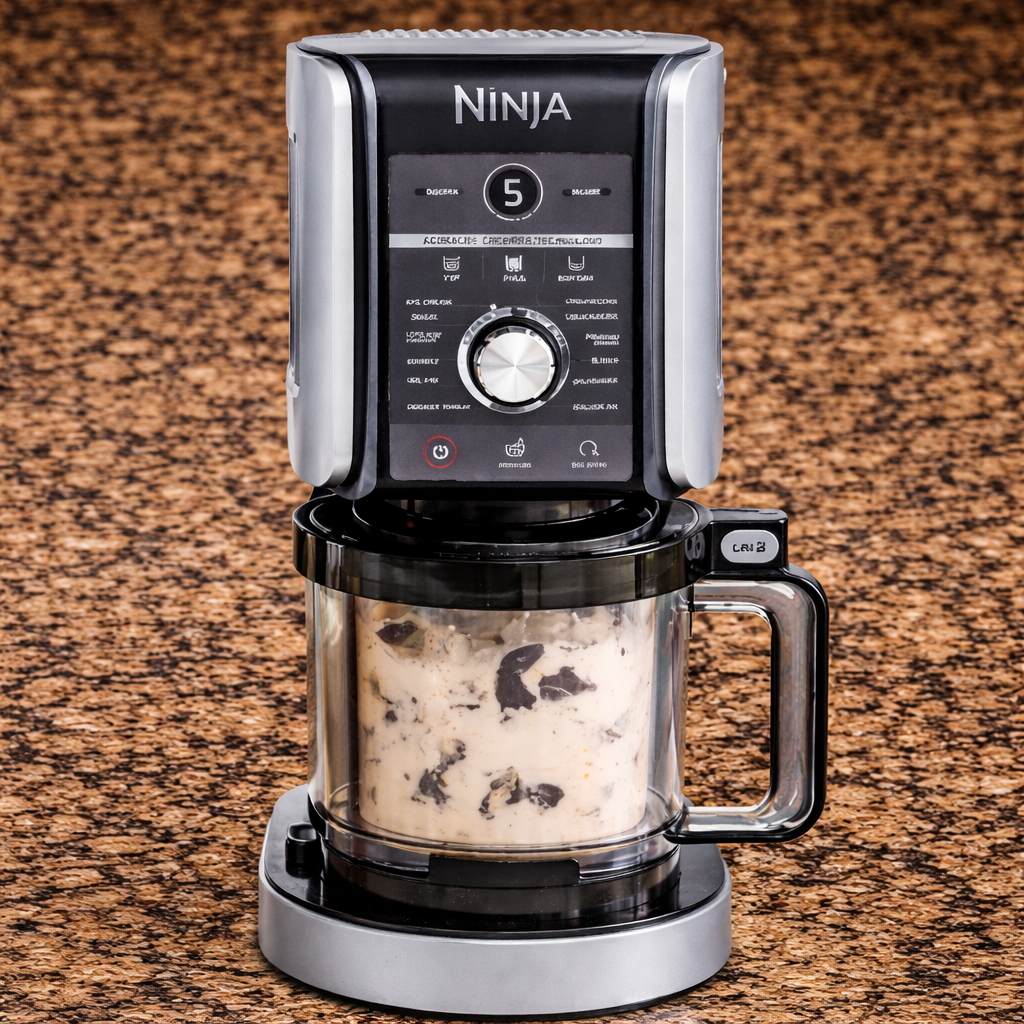 1 pint – 2-3 servings | 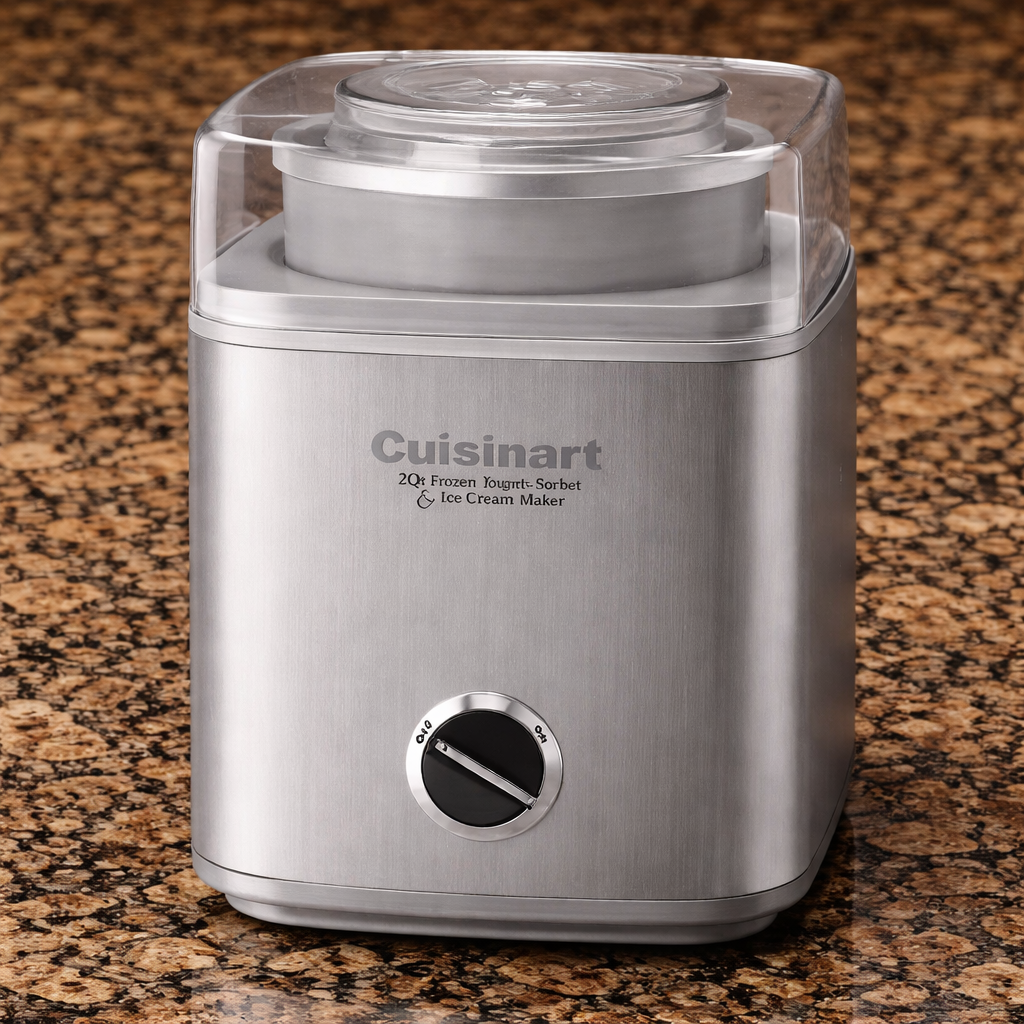 8-10 servings | 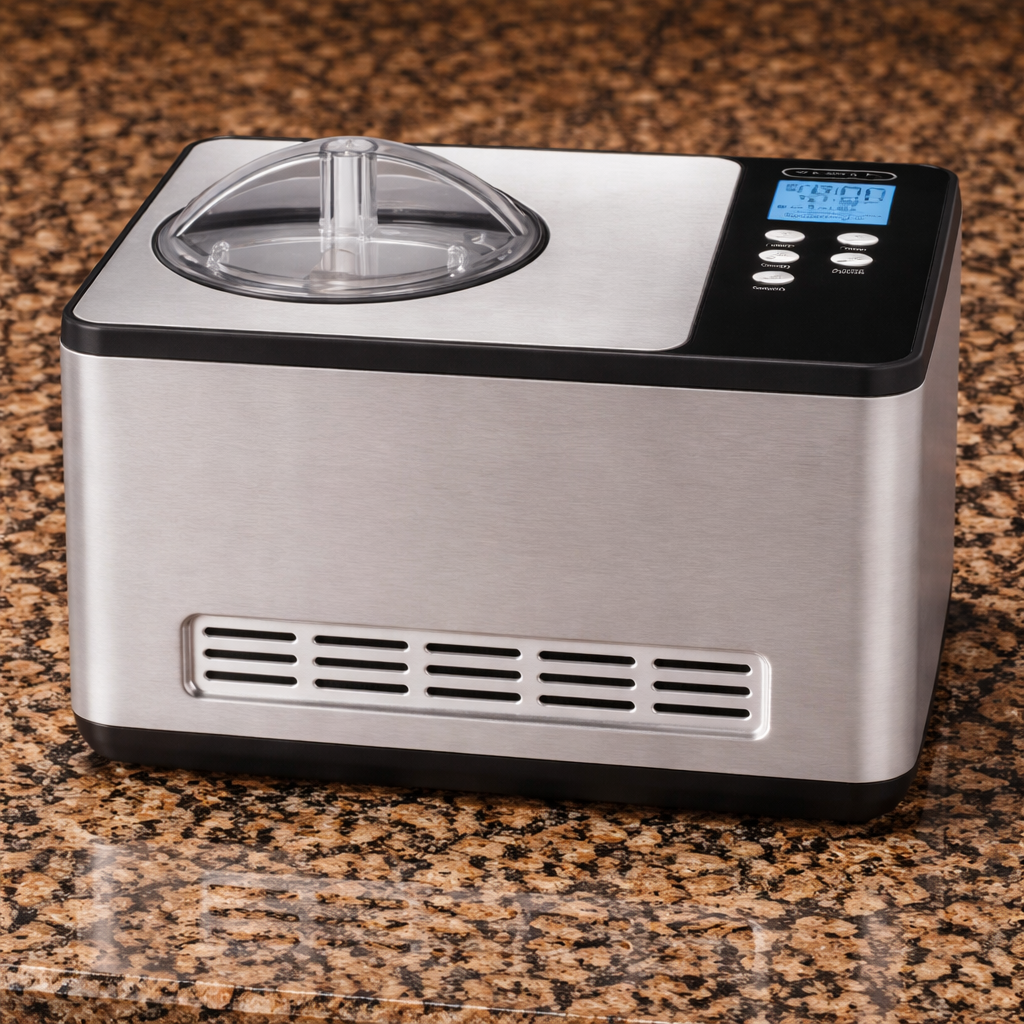 12 servings |
Technique Notes
Sift the matcha through a fine-mesh sieve before making the paste. Matcha clumps are nearly impossible to dissolve once they form in a hot liquid. A bamboo chasen (matcha whisk) makes the smoothest paste, but a small regular whisk works if you press the powder against the bottom of the bowl while whisking.
Add the whisky off the heat along with the vanilla. Alcohol evaporates rapidly in hot liquid, so adding it while the custard is still on the stove loses both the alcohol’s textural contribution (softer ice cream) and its flavor. Off-heat, below 160°F, is the target.
What to Drink With It
A pour of the same Japanese whisky you used in the recipe is the cleanest pairing. If you want to lean into the Japanese theme, a chilled junmai sake offers rice sweetness and acidity that contrast with the bitterness of the matcha. Green tea served alongside is redundant — the ice cream already is the tea.
Substitutions
Japanese whisky: Suntory Toki is the recommended bottle — clean, versatile, widely available. Nikka Coffey Grain is a richer alternative. Do not use peated Scotch — the smoke overwhelms the matcha. For more, see the guide to the best alcohol for ice cream.
Matcha: Ceremonial-grade only. This is non-negotiable. Good ceremonial matcha should be bright green, as fine as talc, and taste smooth, with a natural sweetness. If it tastes astringent at room temperature, it will taste worse frozen.
Dairy-free: Substitute full-fat coconut cream for the heavy cream and oat milk for the whole milk. Oat milk pairs particularly well with matcha.
Storage
Keeps for 2 weeks. The matcha color will dull slightly over time — this is natural oxidation of the chlorophyll and does not affect flavor. Temper at room temperature for 5–8 minutes before scooping.
This recipe appears in our Ninja Creami boozy recipes collection, which includes Creami-specific settings and troubleshooting.
Spirited Licks is a property of GOIAST8 LLC. All recipes are formulated in grams and tested across Ninja Creami, compressor, and traditional churn machines.